NeoPeak: Smart Terminal on ESP32 with LVGL (alfredzhang98/NeoPeak)
Published:
I’m excited to announce the completion of NeoPeak, a compact smart terminal built on ESP32. This project ports the original Peak project to ESP32 ecosystem, integrating LVGL graphics library and modular firmware architecture.
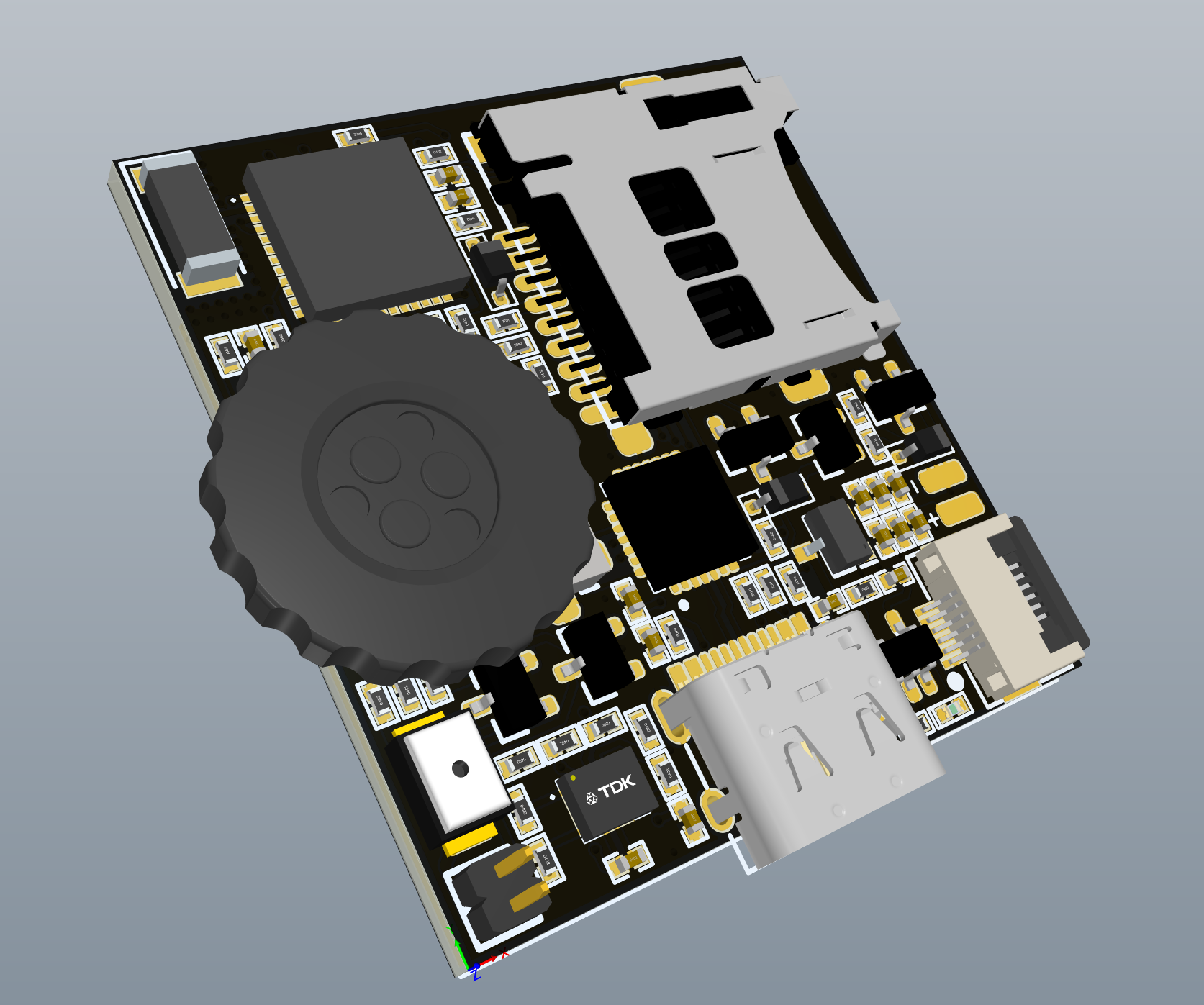
- Repository: https://github.com/alfredzhang98/NeoPeak
Project Overview
NeoPeak is an ultra-compact intelligent terminal featuring:
- LVGL Graphics Framework (v8.1) - Embedded GUI library
- MVC Architecture - Modular firmware design
- Message Framework - Pub/Sub event system
- WiFi/Bluetooth - ESP32 wireless capabilities
- 3D Engine (in development) - 3D model visualization
- Display: 240×240 16-bit color TFT, 60fps target
Key Technical Highlights
Hardware Platform: ESP32-Pico-V3-02
MCU selection requires:
- Main frequency > 150MHz
- RAM ≥ 200KB (112KB for LVGL buffer)
- SPI speed ≥ 50Mbps (for 60fps refresh)
ESP32-Pico-V3-02 chosen for:
- Dual-core, built-in WiFi/Bluetooth
- Arduino ecosystem friendly
- Cost and availability
Firmware Architecture
Three-layer design:
- HAL: Low-level drivers, sensors, MCU peripherals
- Framework: LVGL display, page lifecycle, message system
- Application: UI pages and business logic
Display Integration
- Driver: ST7789 (240×240, 16-bit) via TFT_eSPI
- SPI clock: > 50MHz (IOMUX required for maximum speed)
- LVGL buffer: 112KB, dynamically allocated
- Memory: ESP32’s fragmented 300KB dataRAM requires careful allocation order
Page Scheduling
Inspired by iOS ViewController, implements structured page lifecycle:
- onViewLoad: Initialize views
- onViewDidAppear: Transition animations
- onViewWillDisappear/onViewDidDisappear: Cleanup
- onViewDidUnload: Resource cleanup
Message Framework
Pub/Sub system for sensor data and events:
- HAL publishes sensor events (GPS, IMU, barometer)
- Data processors subscribe and compute metrics
- UI pages subscribe to processed data
- Reactive updates on event changes
Key Implementation Details
- LVGL Porting: Display/File/Input port implementations
- SPI Config: HSPI MISO pin remap to GPIO26 (avoid GPIO12 flash boot conflict)
- Memory: Dynamic allocation for display buffer, careful initialization order
- File System:
lv_fs_drv_tmust be static/global (not stack-allocated)
References
- Peak - Original hardware and firmware
- X-Track - Framework architecture and LVGL integration
- LVGL - Graphics library
- TFT_eSPI - SPI display driver
- ESP32 Docs - Microcontroller resources
Check out the repository and contribute!